Cut Returns, Carbon & Deadstock Risk: AI Try-On for Ethical Fashion
For made-to-order, deadstock, and B-Corp labels, every return erases margin and adds carbon. Style Swap AI gives shoppers a true-to-life, multi-garment try-on without storing a single photo—turning fit and styling uncertainty into confident, full-price orders.
See How Visual Silhouette Verification Prevents Bracket-Order Returns
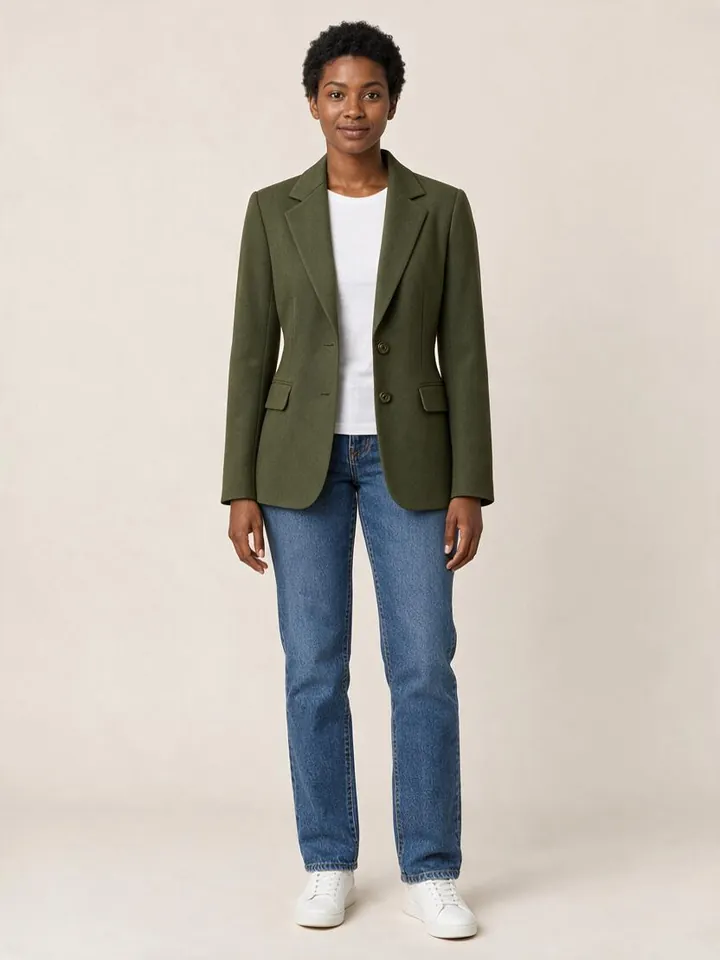
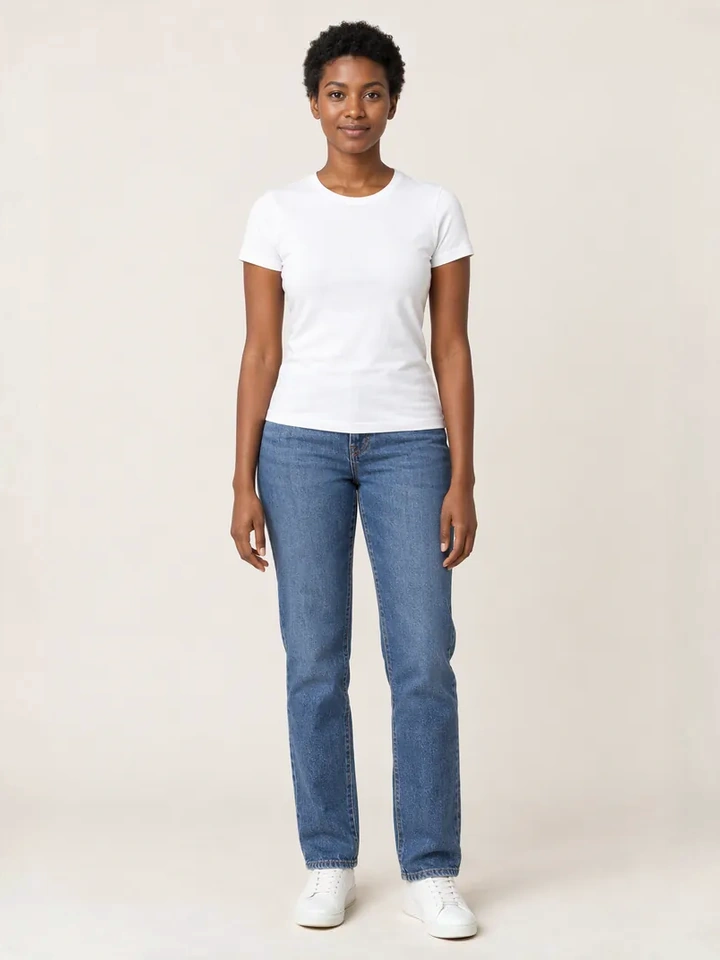
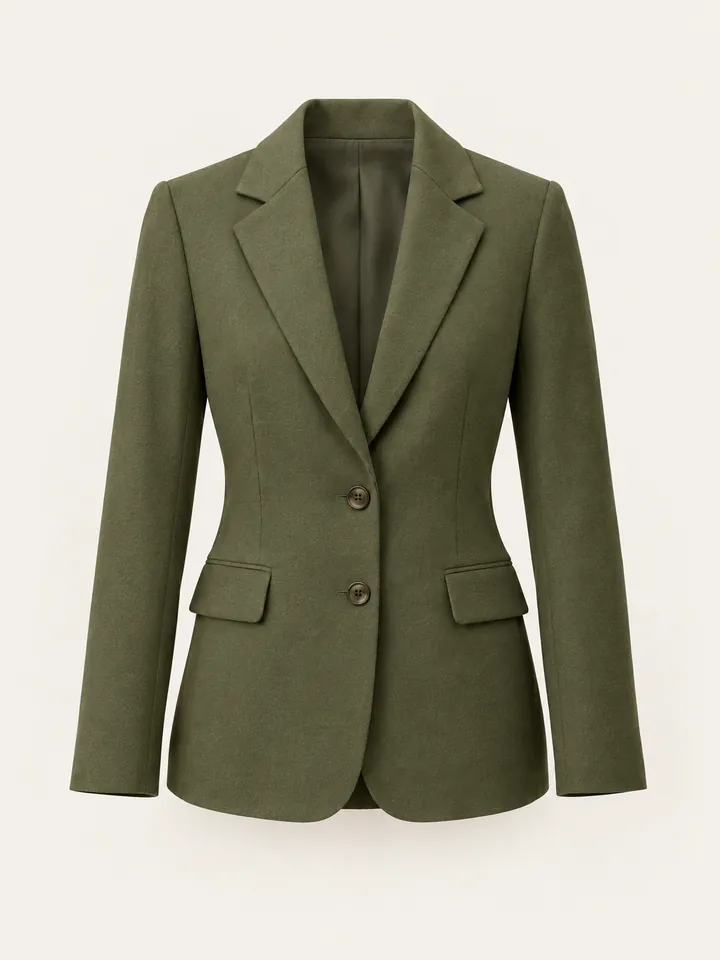
From Casual Mirror Selfies to 10-Second Dubai Luxury Lookbook Reels
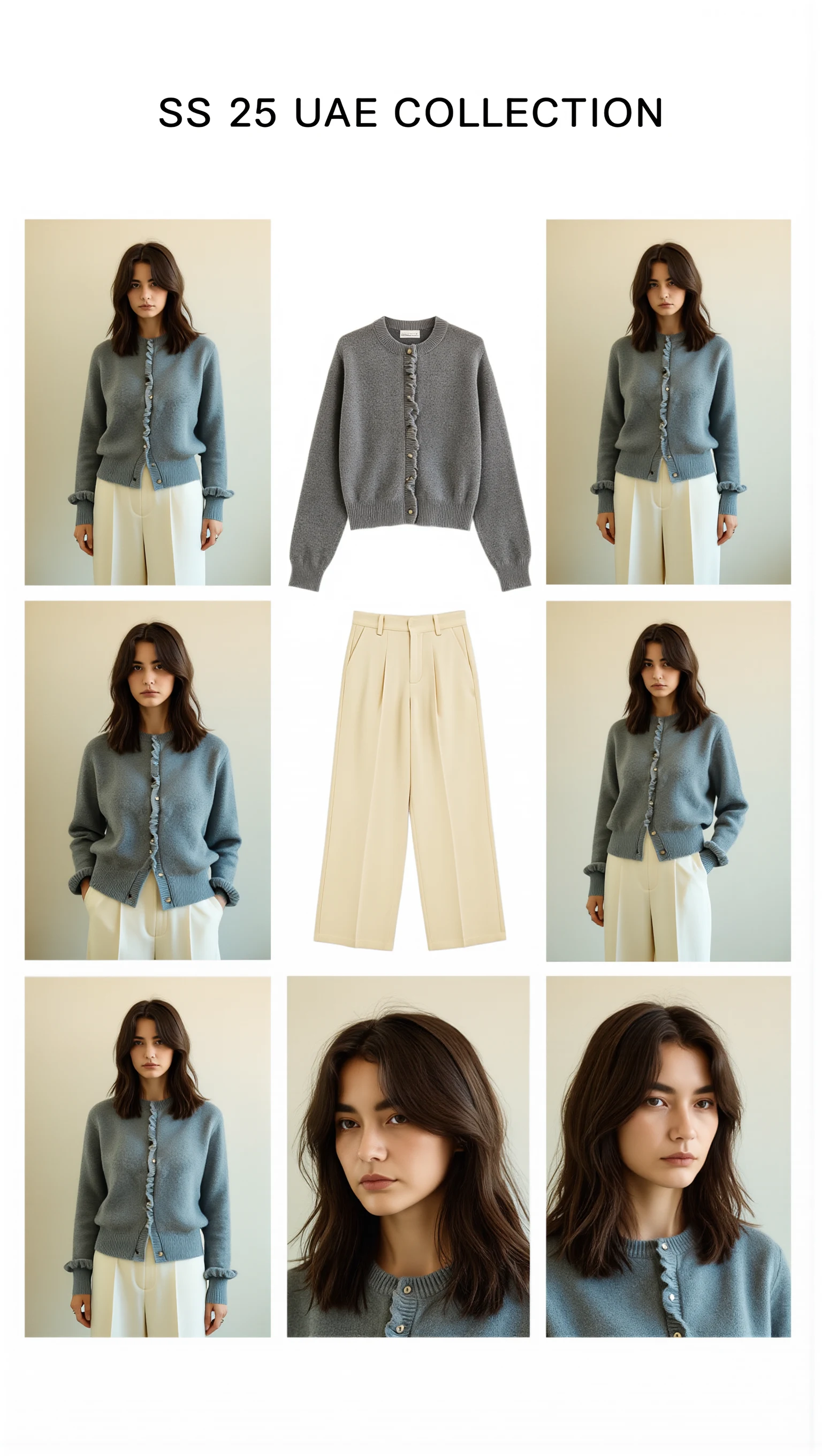
Cast across a cosmopolitan UAE lineup (Emirati/Arab, Afro-Arab, South Asian, Mediterranean & East Asian models) with automatic modest-luxury restyling, 100mm macro fabric close-ups, and Sweet Pants SS25–inspired 3×3 Editorial Bento Lookbook Grids.

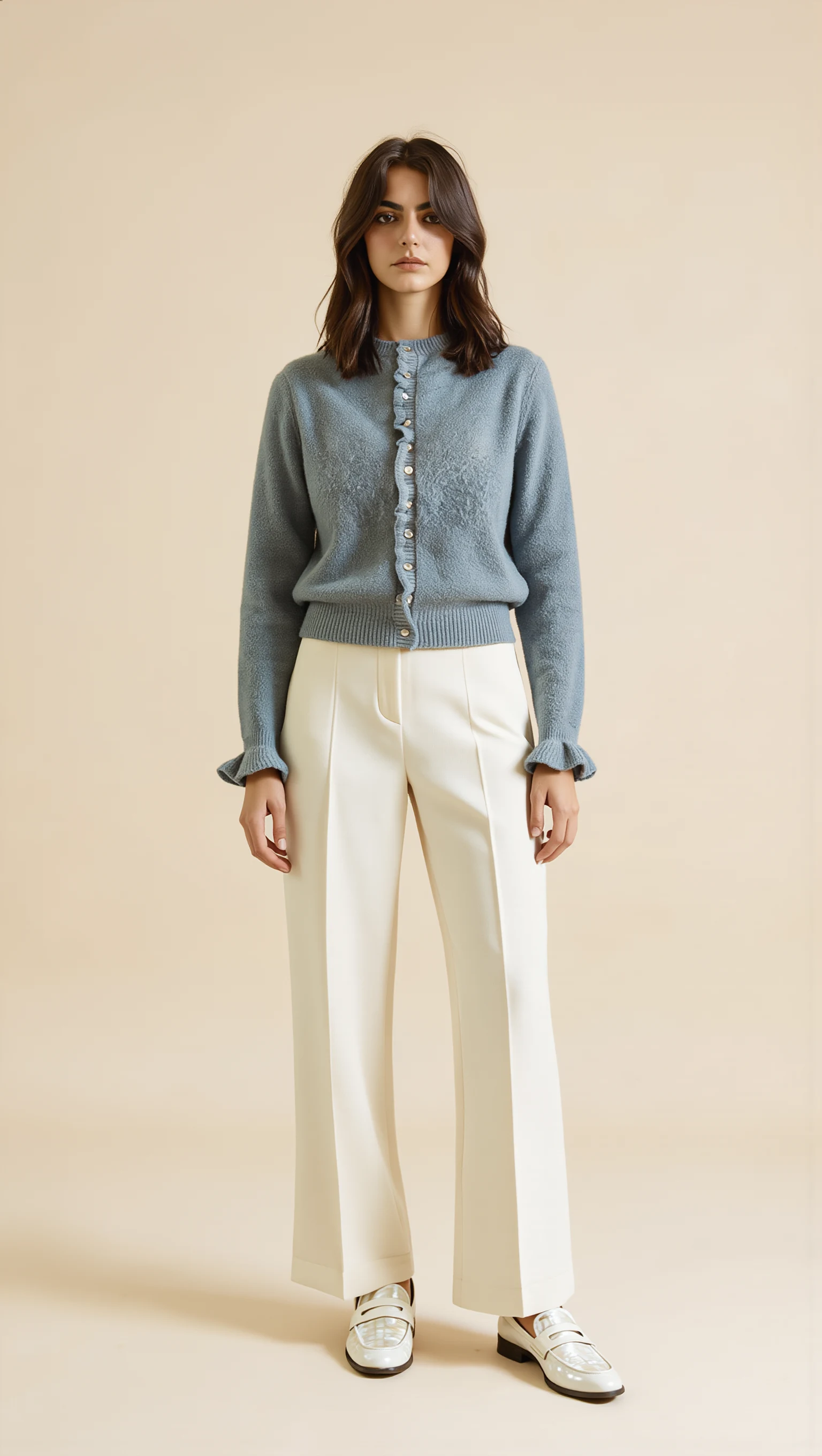
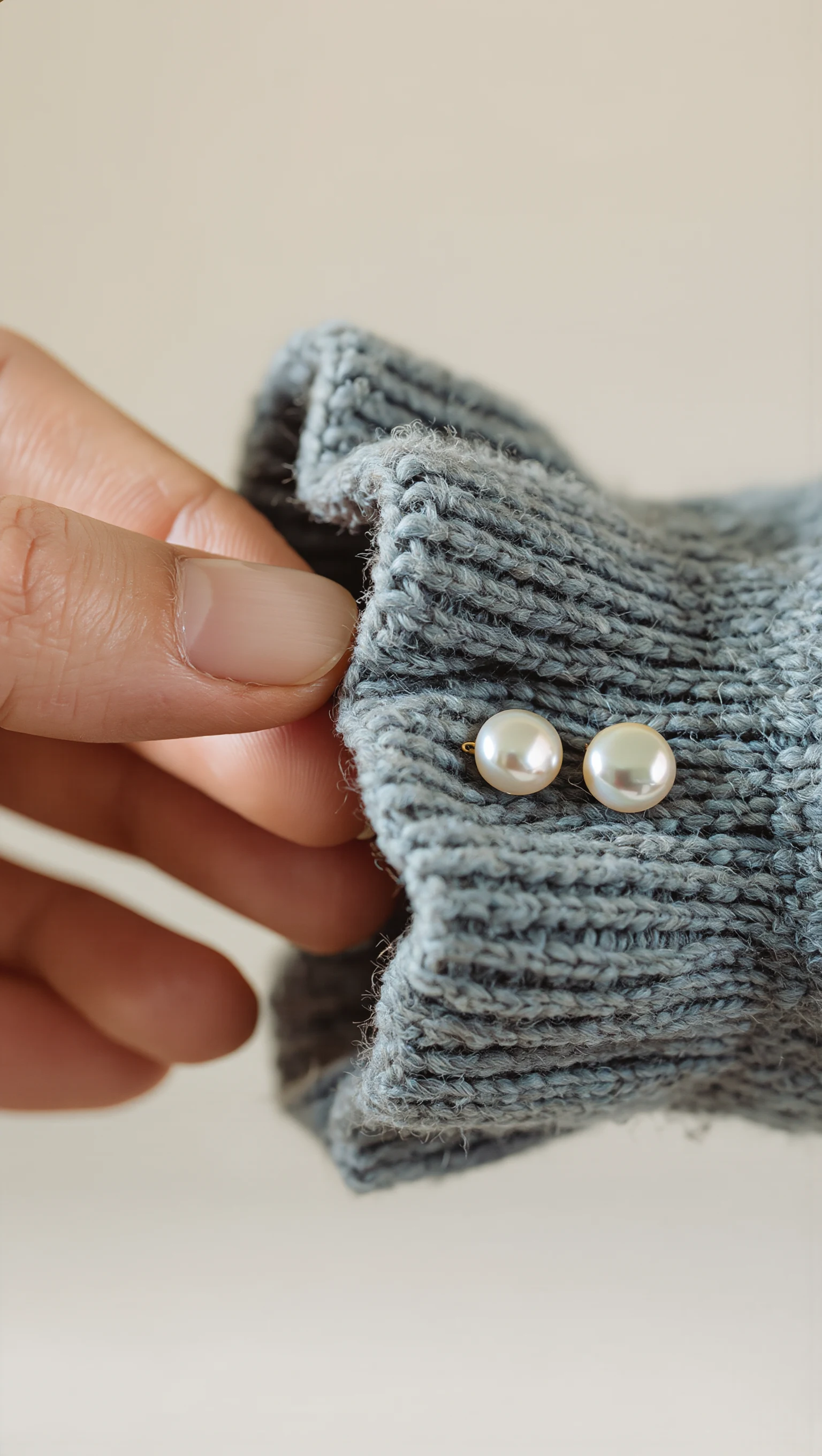
Dusty Slate-Blue Brushed Mohair Cardigan & Ivory Palazzo Trousers
Restyled from a cropped mirror selfie into a full-length Dubai modest-luxury studio look with mother-of-pearl buttons & lettuce-edge cuffs.
Calculate Your Monthly Return Savings & “Complete the Look” AOV Lift
Adjust the sliders below to model how reducing style/silhouette returns by 22% (relative) and lifting multi-garment bundle AOV compares against Style Swap AI’s $19.99/mo Trend and $49.99/mo Runway plans.
Why Sustainable & Slow Fashion Brands Need AI Try-On in 2026
Style Swap AI eliminates the two largest return drivers—fit and styling uncertainty—while honoring strict data privacy and small-batch economics. Server-side Seedream 5.0 Pro inference, default-on zero-photo storage, and closed-loop Klaviyo + Shopify webhook attribution give ethical brands a measurable path to lower reverse-logistics emissions and higher full-price sell-through.
- Zero-photo privacy mode (privacyZeroPhotoStorage: true by default) strips EXIF and compresses selfies client-side to max 1400px, processes in volatile RAM only, and never writes to Shopify Admin—built for GDPR, UAE PDPL, and Saudi PDPL.
- 3-piece Complete the Look layering (top + bottom + outerwear) via custom.pair_with metafields reduces 'nothing to wear it with' returns and lifts AOV through 1-click multi-SKU /cart/add.js bundles.
- 5 instant atmosphere remixes (Studio Editorial, Golden Hour, Evening Lounge, Parisian Street, Desert Resort) let shoppers preview deadstock fabrics in real lighting, cutting 'color looked different' returns without a reshoot.
- Server-side Klaviyo 'Tried On Product' event (Runway plan and above) plus Shopify orders/paid webhooks attribute revenue, AOV, and return-rate lift—enabling carbon-per-order ROI reporting for B-Corp audits.
Style Swap AI vs Legacy Try-On Apps & Manual Lookbooks for Slow Fashion
| Requirement | Style Swap AI (`seed-try-on`) | Legacy 2D Overlay Apps | Static Lookbook / Model Photography |
|---|---|---|---|
| True multi-garment outfit preview | ✓ Layers up to 3 garments with WeVisOne-VL segmentation lock for realistic drape and pairing | ✕ Single garment overlay only; no outfit composition | Manual Photoshop compositing; costly and slow per SKU |
| Zero shopper photo storage | ✓ Volatile RAM processing, client-side EXIF strip, no database writes—default on | ✕ Stores selfies on third-party servers; GDPR/PDPL risk | N/A—no user photos, but no personalization either |
| Deadstock & small-batch viability | ✓ Works from one flat garment image per SKU; no model shoot required | ✕ Requires multiple angles or mannequin shots; high production cost | Full model shoot per garment; prohibitive for small runs |
| Real-time lighting & context remix | ✓ 5 atmosphere presets; ~8–10s Quick renders at 1K, 2K high-definition in Best/Studio mode | ✕ Fixed background; no scene variation | Manual reshoot per environment; expensive and slow |
| Closed-loop ROI attribution | ✓ Server-side Klaviyo event (Runway+) + Shopify orders/paid webhooks tie try-ons to orders, AOV, and return rate | ✕ No server-side attribution; analytics limited to clicks | No attribution; cannot prove ROI |
| Modest & RTL localization | ✓ Built-in modest studio models and full RTL (dir=rtl) UI for GCC markets | ✕ Western-centric models; no RTL support | Static lookbooks often lack modest styling; localization is manual |
Zero-Photo Storage: The Non-Negotiable for Ethical Data Governance
Sustainable brands cannot afford a privacy scandal. Style Swap AI's privacyZeroPhotoStorage mode strips EXIF data and compresses selfies client-side to max 1400px before TLS 1.3 transfer. Inference runs entirely in volatile RAM on server-side GPUs—no shopper selfie is ever written to disk, a merchant database, or Shopify Admin. This architecture satisfies GDPR, UAE PDPL, Saudi PDPL, and the expectations of privacy-conscious slow fashion customers—and it is a merchandising asset you should actively promote, not bury in a legal page.
- Client-side EXIF stripping and max-dimension (1400px) compression happen in the shopper's browser before upload—reducing bandwidth and eliminating geolocation metadata before it ever leaves the device.
- Server-side inference runs on OpenRouter-managed Seedream 5.0 Pro with WeVisOne-VL hair/face/hijab matte lock; the input image exists only in ephemeral RAM for the duration of the render (~8–10s in Quick Mode) and is then discarded.
- No selfie data appears in Shopify Admin, order exports, or customer profiles—critical for B-Corp audits and EU/GCC data processing agreements.
- Privacy mode is on by default (privacyZeroPhotoStorage: true) and can be toggled in the Theme App Extension block settings—no code changes required.
- Merchandising tip: surface the zero-photo promise as a trust badge next to the try-on button and reference it in your privacy policy. For luxury and modest-fashion shoppers, visible data governance is a conversion lever, not just a compliance checkbox.
Complete the Look: Reduce Styling Returns with 3-Piece Try-On
The #1 slow-fashion return reason is 'it doesn't go with anything I own.' Complete the Look lets shoppers layer up to three garments—top, bottom, and outerwear or abaya—on their own photo or a built-in modest studio model. Pairing logic pulls from custom.pair_with metafields, DOM cross-sell detection, or the Shopify Product Recommendations API, then renders every piece with consistent lighting and drape. One tap adds all SKUs to cart via /cart/add.js, converting single-piece browsers into full-set buyers—exactly what made-to-order margin economics need.
- Define custom.pair_with metafields on each product to curate capsules (e.g., organic tee + deadstock trousers + recycled blazer). Deliberately pair slow-moving deadstock with evergreen bestsellers to clear small-batch inventory at full price.
- Shoppers can toggle each garment on/off, swap variants, and preview the full outfit in any of the 5 atmosphere remixes before committing—attacking fit and styling doubt in a single session.
- 1-click multi-SKU bundle checkout via /cart/add.js removes decision fatigue. Track bundle attach rate and try-on-influenced AOV through the orders/paid webhook attribution to prove the uplift on your own catalog.
- Zero model photography required: a single flat garment image per SKU is enough—the AI handles segmentation, drape, and lighting, keeping per-SKU content cost near zero for small runs.
{
  "custom": {
    "pair_with": [
      "gid://shopify/Product/7890123456789",
      "gid://shopify/Product/8901234567890"
    ]
  }
}Atmosphere Remixes & 9:16 Story Cards That Sell Deadstock
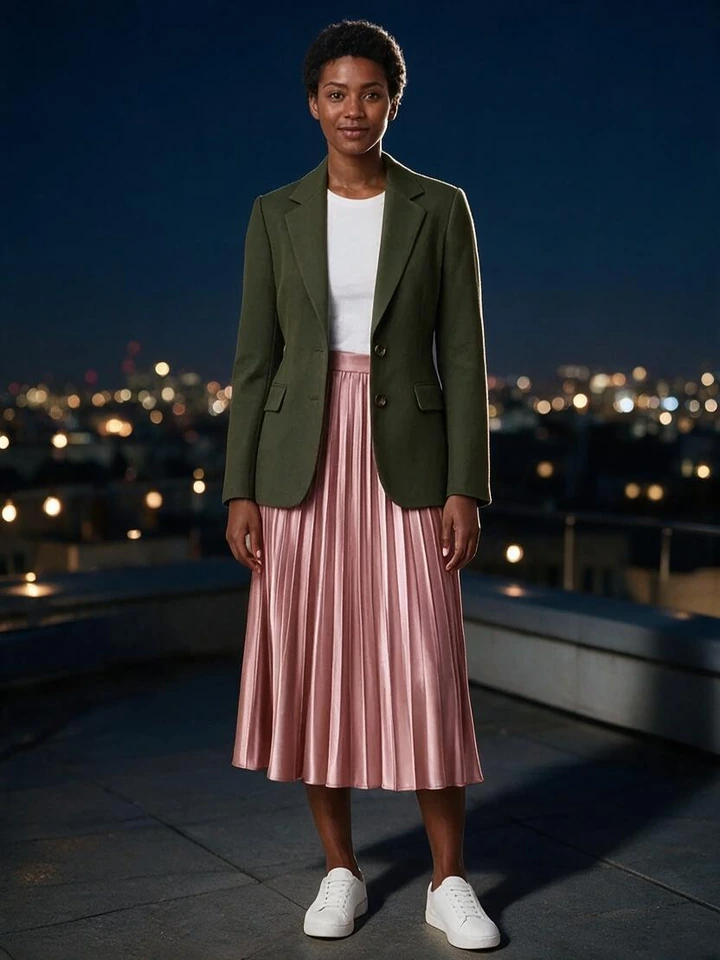
Deadstock fabrics and made-to-order pieces often fail because shoppers can't imagine them in real life. Style Swap AI generates 5 instant lighting and environment presets—Studio Editorial, Golden Hour, Evening Lounge, Parisian Street, Desert Resort—so a hemp blazer can be previewed at a sunset dinner or a linen abaya in a Dubai resort lobby. The native 9:16 story card compositor then lets shoppers share their styled look to WhatsApp or Instagram via the Web Share API, turning every try-on into user-generated social proof that markets your sustainability story for free.
- Each atmosphere remix is a full re-render at 1K (Quick) or 2K (Best/Studio) resolution, preserving garment color accuracy across light temperatures—directly attacking 'color looked different in person' returns.
- The 1080×1920 story card is composited client-side with HTML5 canvas—no server call, no added latency, zero storage.
- Each card carries the product name, price, and a 'Shop the Look' deep link back to the PDP. Append UTM parameters so share-driven sessions and orders surface as a distinct organic channel in your analytics.
- For modest and GCC markets, Desert Resort and Evening Lounge are pre-tuned for warm, luxurious tones—pair them with the built-in modest studio models for zero-selfie evaluation.
Attribute Every Try-On to Revenue, AOV, and Return Reduction
For B-Corp and slow-fashion brands, sustainability claims need hard numbers. Style Swap AI fires a server-side 'Tried On Product' Klaviyo event on every successful render (Klaviyo sync unlocks on the Runway plan, $49.99/month) and listens for Shopify orders/paid webhooks to attribute revenue and AOV. By comparing return rates on try-on vs. non-try-on orders, you can quantify avoided reverse-logistics emissions and report carbon savings per order in your annual sustainability audit.
- The Klaviyo event carries product ID, variant ID, atmosphere preset, and try-on mode (Quick/Best)—segment a win-back flow for shoppers who tried but didn't buy; it is your highest-intent, lowest-cost email audience.
- Webhook payloads are matched via cart token and customer ID to calculate try-on-influenced AOV lift and full-price sell-through.
- Feed return-reduction deltas into your carbon calculator: avoided emissions ≈ returns prevented × average reverse-logistics footprint per parcel (weight × distance × carrier factor). Example reporting line: 'Try-on orders returned 38% less this quarter.'
- Unlimited Fashion Plan ($199.99/month) adds Priority 2K Image Gen, unlimited shares, and a dedicated CSM to help build custom ROI and sustainability dashboards.
Common Founder & Technical Questions: Sustainable & Slow Fashion ROI
How does Style Swap AI actually reduce returns for made-to-order and deadstock brands?
By eliminating the two top return drivers: fit uncertainty and styling mismatch. Shoppers see themselves—or a modest studio model—wearing the exact garment in realistic lighting, layered with complementary pieces, so they buy coordinated sets instead of single pieces they later send back. Because every try-on is attributed server-side via Klaviyo and Shopify webhooks, you measure the exact return-rate delta on try-on vs. non-try-on orders within your first 30 days rather than relying on industry averages.
Is shopper photo data ever stored on your servers or in Shopify Admin?
No. Style Swap AI runs in privacyZeroPhotoStorage mode by default. Selfies are EXIF-stripped and compressed client-side (max 1400px), transferred over TLS 1.3, processed entirely in volatile RAM during the seconds-long render, and immediately discarded. No photo is written to disk, logged, or visible in Shopify Admin—built for GDPR, UAE PDPL, and Saudi PDPL compliance.
We only have flat product photos and no model photography. Can we still use AI try-on?
Absolutely. Style Swap AI needs just one flat garment image (JPG/PNG) per product. The AI segments the garment, understands drape and fabric behavior, and renders it onto the shopper's photo or a built-in modest studio model. No model shoots, no mannequin photography, no per-SKU production cost—ideal for small-batch and deadstock inventories where a shoot would erase the margin.
How does the 3-piece Complete the Look work technically? Do we need to manually configure pairings?
You have three options: (1) define custom.pair_with metafields on each product referencing up to two other products; (2) let the app auto-detect cross-sell pairs from your theme's DOM or the Shopify Product Recommendations API; (3) curate pairings manually. Once paired, shoppers layer the garments in any atmosphere and add all SKUs to cart with one click via /cart/add.js. For slow fashion, use option 1 to build deliberate capsules that move deadstock alongside bestsellers.
What is the ROI for a small sustainable brand with 500 orders/month and a 25% return rate?
Run the numbers: 500 orders × 25% return rate = 125 returns/month. If try-on cuts returns by 35%, that is ~44 fewer returns monthly. At an average reverse-logistics cost of $18 per return (shipping, restocking, processing), you save about $792/month in direct costs—before counting recovered margin from reselling at full price instead of clearance. The Trend plan ($19.99/month, 100 included try-ons) pays for itself after preventing just 2 returns, and every plan starts with a 7-day free trial (up to 50 try-on credits) so you can validate the lift on your own catalog first. Use the ROI calculator below with your own numbers.
Which plan fits a small sustainable brand, and what are the exact costs?
All plans include a 7-day free trial with up to 50 try-on credits. Trend is $19.99/month (100 included try-ons, $0.16 per overage try-on) and covers core try-on for a single-store label. Runway is $49.99/month (350 included try-ons, $0.14 overage) and unlocks Klaviyo sync, full embed, and dev events—required for the closed-loop ROI attribution described above. Unlimited Fashion is $199.99/month (2,000 included try-ons, $0.10 overage) and adds Priority 2K image generation, unlimited shares, and a dedicated CSM. Start on the trial, measure try-on-to-order conversion, then pick the tier whose included credits match your PDP traffic.