AI Model Swap vs. Shopper Virtual Try-On: 2026 Benchmark for Shopify Fashion
We evaluate merchant-side AI model swapping (Botika, Lalaland, OnModel) and traditional studio shoots against interactive PDP shopper virtual try-on that captures first-party leads and drives multi-item cart value.
Why Style Swap AI Outperforms Single-Item Widgets
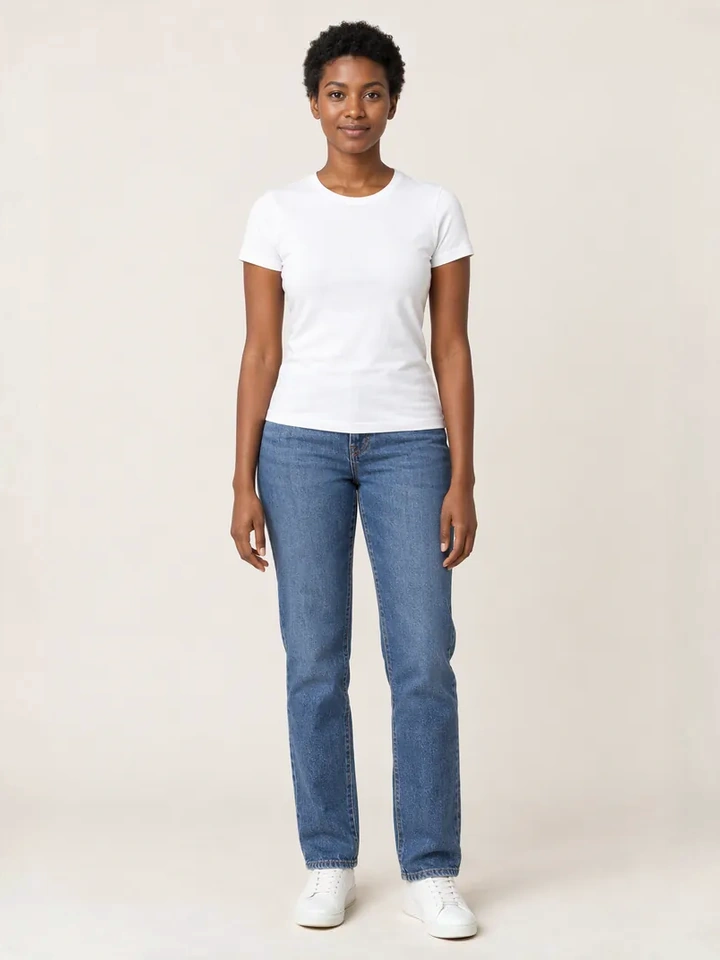
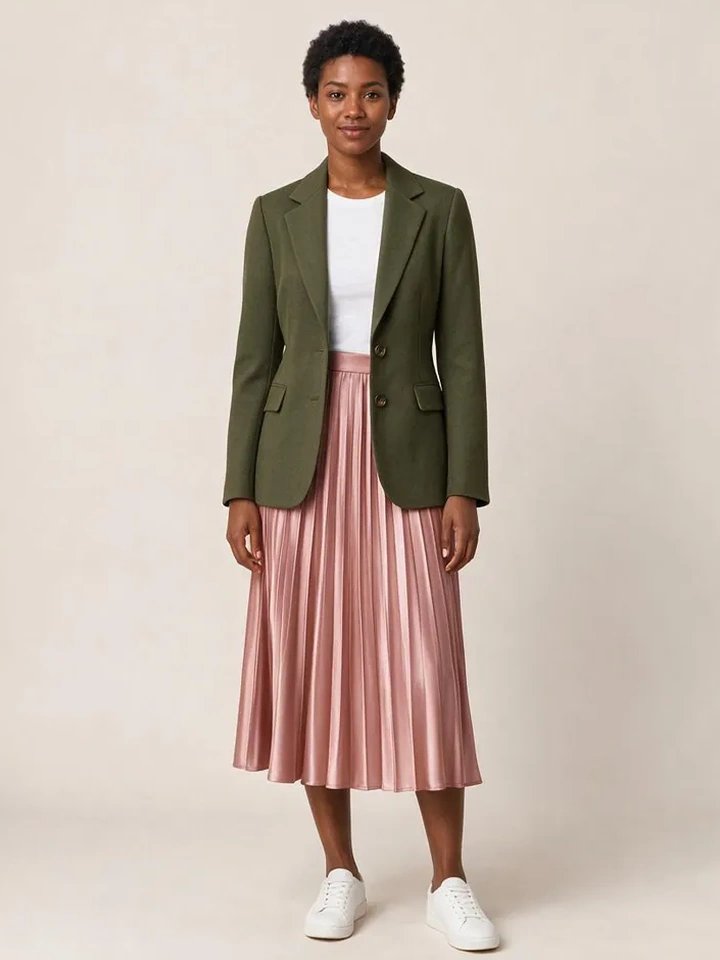
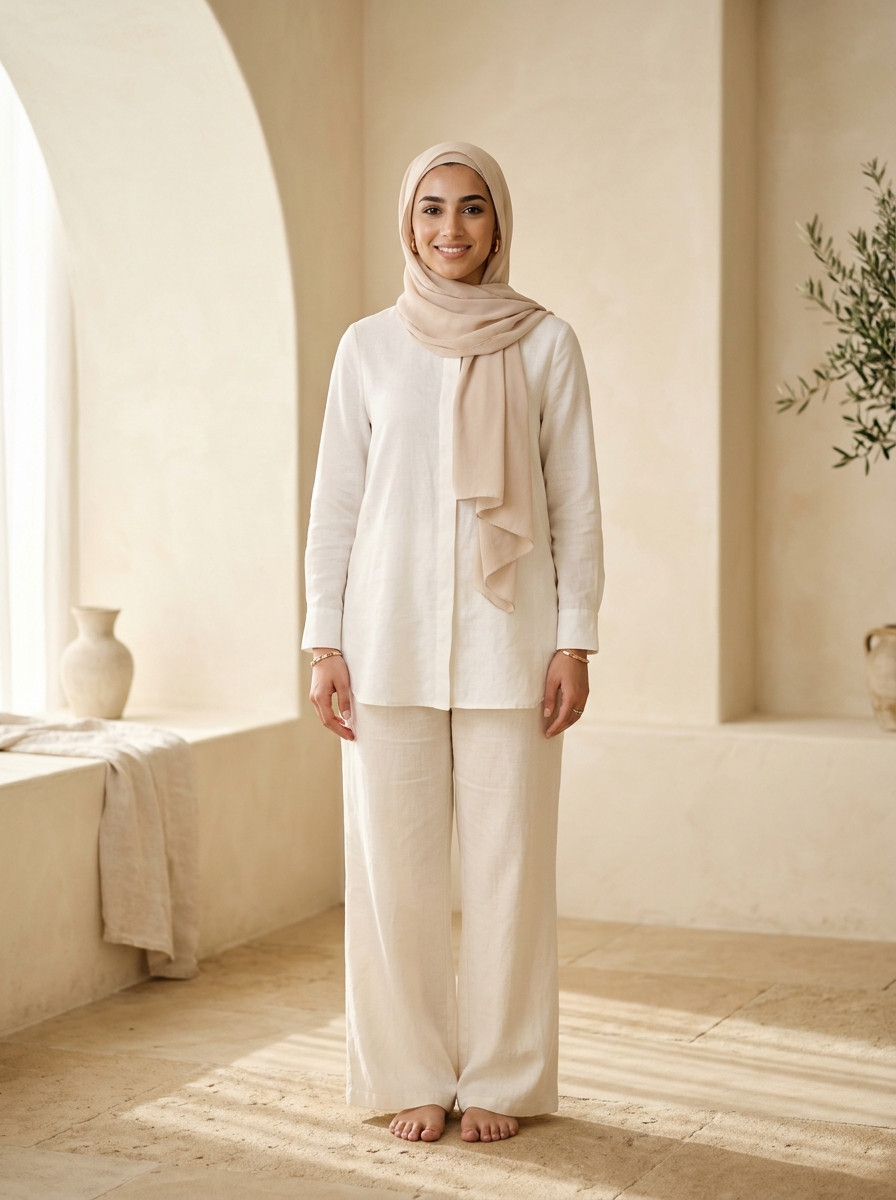
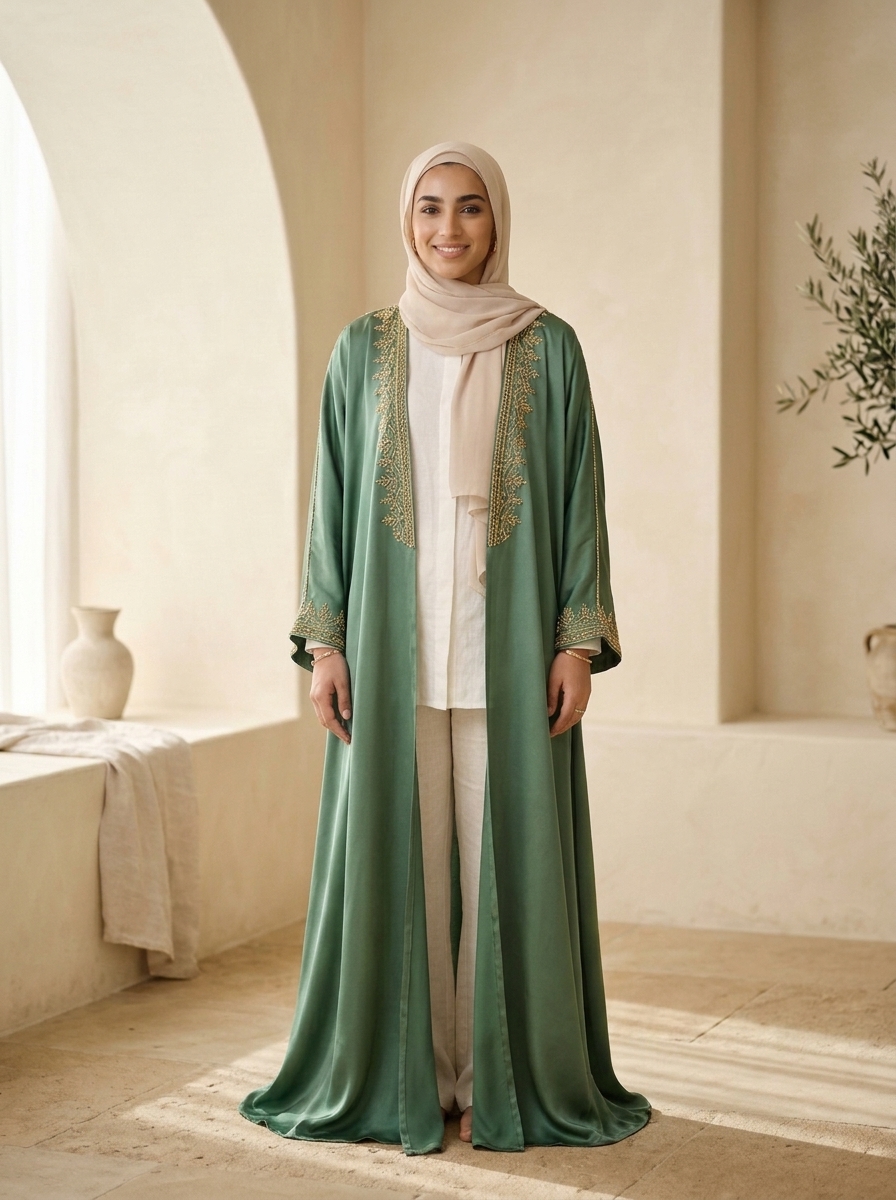
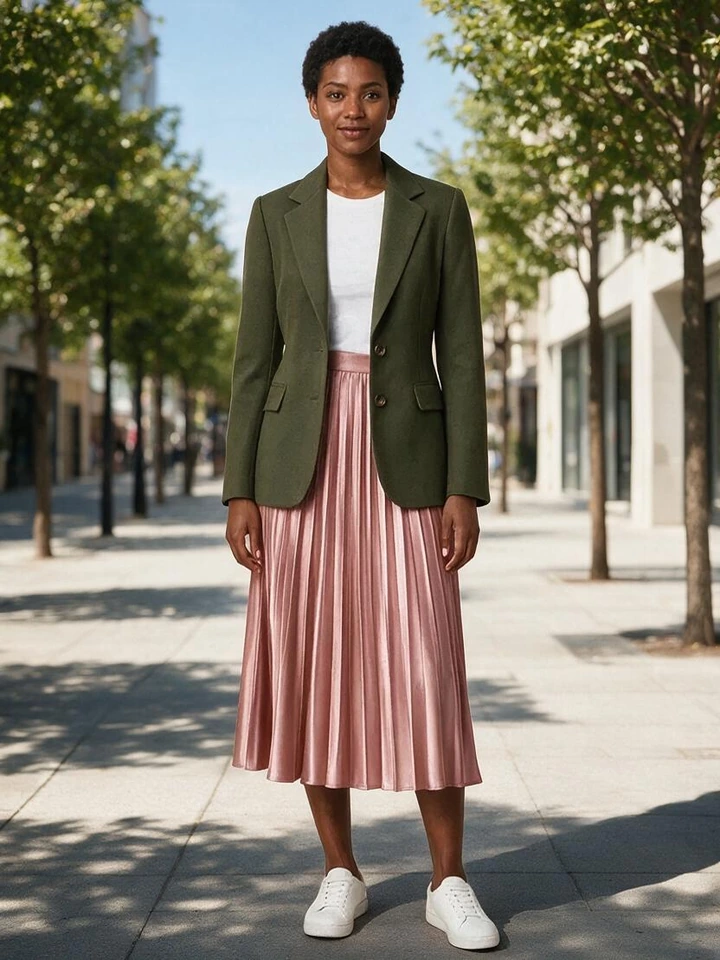
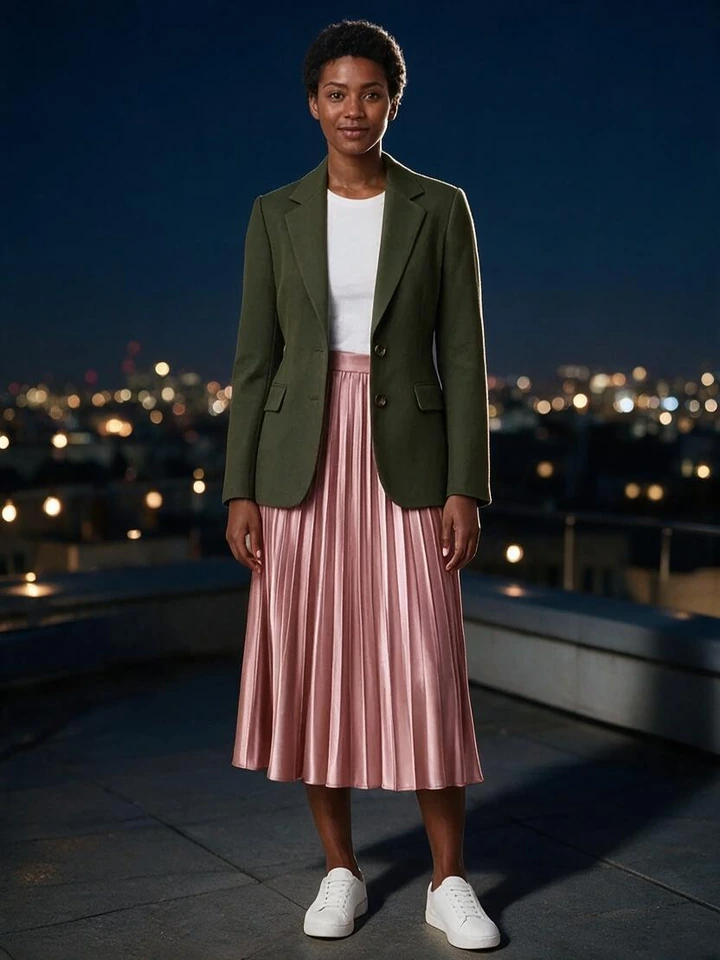
Executive Verdict: Interactive Shopper VTO Outperforms Static Catalog Swaps for Conversion & Privacy
Style Swap AI leads in 2026 for Shopify brands needing privacy-first, multi-garment outfit try-on with measurable ROI. Choose AI model swap apps for rapid catalog refreshes when you already have product photography; reserve traditional studio shoots for hero imagery and brand campaigns.
- #1 Style Swap AI delivers zero-photo-storage shopper VTO with 3-piece Complete the Look layering, Klaviyo lead sync, and 9:16 social story generation — built for Shopify Online Store 2.0 and headless storefronts.
- Choose AI model swap apps (Botika, Lalaland, OnModel) when you need to rapidly generate static catalog variants from existing product photos without changing your PDP conversion flow — but expect no shopper interaction or lead capture, and verify each vendor's data-retention terms if any shopper upload is involved.
- Choose traditional studio photoshoots for flagship hero imagery or brand campaigns where physical drape, fabric movement, and art direction are non-negotiable — but accept multi-week lead times, high per-SKU costs, and zero personalization for shoppers.
- Avoid hybrid DIY stacks (Midjourney + manual editing) for shopper-facing try-on due to inconsistent lighting, missing garment physics, and lack of Shopify cart/attribution integration.
Side-by-Side Matrix: Style Swap AI vs. AI Model Swaps vs. Studio Shoots
| Evaluation Criterion | Style Swap AI (`seed-try-on`) | AI Model Swap Apps (Botika, Lalaland, OnModel) | Traditional Studio Photoshoots |
|---|---|---|---|
| Multi-Garment Outfit Layering | Up to 3 garments (top + bottom + outerwear/abaya) via custom.pair_with metafields or DOM cross-sell detection; 1-click multi-SKU /cart/add.js bundle checkout. | Single garment per generated image — merchant-side swaps cannot layer outfits or let shoppers combine pieces. | Full outfit styling possible on set, but each combination requires its own shoot; no real-time layering for shoppers. |
| Customer Photo Privacy | Zero-photo storage by default (privacyZeroPhotoStorage: true): EXIF stripping, 1400px compression, volatile RAM processing, zero database writes — built for GDPR, UAE PDPL, and Saudi PDPL. | Not applicable to shopper selfies (merchant-side workflow). Where shopper uploads exist, retention policies vary by vendor and zero-storage guarantees are uncommon — review each DPA. | No shopper photos involved; model releases and crew data handled via manual production contracts. |
| Drape Quality | Seedream 5.0 Pro + WeVisOne-VL reasoning segmentation with hair/face/hijab matte lock; realistic fabric fall at 2K Best/Studio Mode resolution. | 2D warping approaches can distort complex textures (pleats, embroidery, hijabs); artifacts may appear at close zoom. | Physical fabric drape is flawless, but limited to the models, samples, and lighting used in the shoot. |
| Speed & Resolution | Quick Mode 1K in ~8-10s; Best/Studio Mode 2K high-definition output adds a few seconds. Server-side orchestration via OpenRouter with zero client GPU load. | Batch generation of static images with vendor-dependent turnaround; not designed for real-time interactive PDP latency. | Weeks for shoot + retouching; high camera resolution but nothing real-time. |
| Social Sharing | Native 9:16 story card generator (1080x1920 HTML5 canvas) with Web Share API for WhatsApp/Instagram — 1-tap from the PDP. | No shopper-facing social story generation; merchants manually export and resize catalog images for social posts. | High-res campaign images can be repurposed for social, but there is no shopper-generated content or story cards. |
| Klaviyo & ROI Attribution | Server-side 'Tried On Product' Klaviyo event + Shopify orders/paid webhook revenue and AOV attribution out-of-the-box. | Merchant-side workflow — no shopper events, lead sync, or closed-loop PDP revenue attribution by design. | Manual UTM tagging on campaign links; no direct PDP engagement or revenue attribution. |
| Pricing & Overage | Trend $19.99/mo (100 try-ons, $0.16 overage); Runway $49.99/mo (350, $0.14); Unlimited Fashion $199.99/mo (2,000, $0.10). All plans include a 7-day free trial with up to 50 try-on credits. | Vendor subscriptions scale by monthly image volume (entry tiers in the tens of dollars/mo, scaling with SKU count) with per-image overage; no shopper try-on credits. | $50-$500+ per SKU depending on model, location, and retouching — project-based pricing with no subscription model. |
Ranked Solutions: From Full-Funnel Shopper VTO to Catalog-Only Model Swapping
Here's how Style Swap AI stacks against AI model swap apps, traditional studio production, and other shopper VTO platforms in 2026.
- #1Test #1 Pick Live at /demo →
Style Swap AI
Zero-install Shopify 2.0 theme app block + floating pill (plus Framer/Hydrogen/Next.js via signed app proxy) running server-side Seedream 5.0 Pro inference with 3-piece outfit layering, zero-photo privacy, 9:16 story cards, and Klaviyo/ROI attribution.
Best ForShopify fashion, modest-wear, and GCC/luxury brands that want privacy-first, multi-garment shopper try-on with Klaviyo lead capture and closed-loop revenue attribution.Pricing & Plans$19.99/mo Trend (100 try-ons/mo) — all plans include a 7-day free trial with up to 50 try-on creditsTrial & Overage Economics$0.16/try-on overage (Trend); Runway $49.99/mo with 350 included at $0.14 overage; Unlimited Fashion $199.99/mo with 2,000 included at $0.10 overageMulti-Garment / PrivacyUp to 3 garments (top + bottom + outerwear/abaya) via custom.pair_with metafields, DOM cross-sell detection, or Shopify Product Recommendations API; 1-click multi-SKU /cart/add.js bundle checkout • Zero-photo storage by default (privacyZeroPhotoStorage: true): client-side EXIF stripping, 1400px max-dimension compression, TLS 1.3 transport, volatile RAM processing only — built for GDPR, UAE PDPL, and Saudi PDPL✓ Key Strengths- Multi-garment Complete the Look bundle checkout (1-click /cart/add.js for up to 3 SKUs)
- Zero-photo storage: client-side EXIF stripping, volatile RAM processing, TLS 1.3 — built for GDPR/UAE PDPL/Saudi PDPL compliance
- Built-in modest studio models + full Arabic RTL UI for GCC/luxury catalogs
- Server-side Klaviyo 'Tried On Product' event + Shopify orders/paid webhook revenue & AOV attribution
- 5 instant atmosphere remixes (Studio Editorial, Golden Hour, Evening Lounge, Parisian Street, Desert Resort) + 9:16 story card generator
- Live zero-install sandbox at seed-try-on.fly.dev/demo — paste any public Shopify product URL for a ~8-12s test
- Transparent pricing from $19.99/mo with 7-day free trial (up to 50 try-on credits)
• Trade-Offs / Considerations- Requires Shopify Online Store 2.0 for the native theme app block; legacy vintage themes need an upgrade, while headless storefronts (Framer/Hydrogen/Next.js) integrate via the signed app proxy
- Best/Studio Mode 2K high-definition generation takes a few seconds longer than Quick Mode's ~8-10s 1K output
- #2
AI Model Swap Apps (Botika, Lalaland, OnModel)
Merchant-side catalog tools that swap models, faces, or backgrounds on existing product photography to produce diverse PDP and lookbook imagery — not an interactive shopper try-on experience.
Best ForMerchants who need fast, low-cost catalog image diversity (models, skin tones, backgrounds) generated from existing product photography without changing the PDP experience.Pricing & PlansVaries by vendor; entry tiers commonly start in the tens of dollars per month and scale with image volumeTrial & Overage EconomicsPer-plan generation caps with per-image overage billing; no shopper try-on credits or lead capture includedMulti-Garment / PrivacySingle garment per generated image; no shopper-side outfit layering or bundle checkout • Merchant-side workflow (no shopper selfies by design); where shopper uploads are offered, retention policies vary by vendor — verify DPA and GDPR/PDPL terms✓ Key Strengths- Fast batch generation of catalog variants (skin tones, ages, body types) from a single garment photo
- No need for physical models or studio bookings — reduces traditional shoot volume
- Designed for catalog and product-feed workflows with automated image refresh
- Lower cost per SKU than full studio production for hero images
• Trade-Offs / Considerations- Merchant-side only — no shopper selfie upload or interactive PDP try-on, so no lead capture or try-on-driven cart lift by design
- 2D garment warping can produce artifacts on complex textures (pleats, embroidery, hijabs) at close zoom
- If shopper-facing uploads are offered, photos typically persist on vendor cloud storage — merchants should verify each vendor's data-retention policy against GDPR/PDPL
- #3
Traditional Studio Photoshoots
Full physical production with models, photographers, lighting, and retouching — the gold standard for campaign imagery, but slow and costly to scale across every SKU.
Best ForFlagship hero imagery, seasonal campaigns, and lookbooks where physical drape, fabric movement, and art direction are non-negotiable.Pricing & PlansCommonly $50-$500+ per SKU depending on models, location, and retouchingTrial & Overage EconomicsProject-based pricing; reshoots and additional SKUs billed per production day — no subscription or per-try-on modelMulti-Garment / PrivacyFull outfit styling possible on set, but each combination requires its own shoot; no real-time layering for shoppers • No shopper photos involved; model releases and crew data handled through manual production contracts✓ Key Strengths- Unmatched fabric drape, texture, and movement authenticity
- Full art direction control for seasonal campaigns and lookbooks
- No AI artifacts — human-trusted imagery for luxury branding
- Can produce video and 360° spin content in the same session
• Trade-Offs / Considerations- 3-6 week lead time per collection; impractical to scale across thousands of SKUs
- No personalization — shoppers cannot see themselves in the garment
- High per-SKU cost ($50-$500+ depending on model rates and retouching)
- Zero native integration with Shopify cart, Klaviyo, or social sharing
- #4
Other Shopper Virtual Try-On Platforms (Vue.ai, Zyler)
Enterprise VTO platforms using 3D garment models or GAN-based garment transfer with SDK integrations — powerful, but scoped and priced for large retailers rather than self-serve Shopify merchants.
Best ForEnterprise retailers with dedicated development teams that need 3D/physics-based try-on, size recommendation, and custom SDK deployments.Pricing & PlansCustom, sales-led enterprise pricing (typically annual contracts)Trial & Overage EconomicsContract-based usage tiers rather than self-serve monthly plans with published overage ratesMulti-Garment / PrivacyOutfit layering and 1-click Shopify bundle checkout typically require custom integration rather than native metafield-driven flows • Shopper photo retention varies by vendor and deployment; GDPR/PDPL compliance generally requires a custom DPA and data-residency review✓ Key Strengths- Enterprise-grade garment visualization, including 3D/physics-based approaches
- Size and fit recommendation capabilities (e.g., measurement-based approaches)
- Can extend to footwear and accessories with dedicated models
• Trade-Offs / Considerations- Custom, sales-led enterprise pricing — typically scoped for large retailers rather than self-serve Shopify stores
- Multi-garment outfit layering and 1-click bundle checkout are not self-serve defaults — they typically require custom integration work
- Shopper photo handling depends on vendor and deployment — GDPR/PDPL compliance typically requires a custom DPA and data-residency review
- Social story card generation and Klaviyo lead sync typically require custom integration rather than shipping out-of-the-box
Technical Evaluation Criteria for 2026 Virtual Try-On Benchmarks
Privacy Architecture & Data Sovereignty
Shopper selfies are biometric-grade data under GDPR, UAE PDPL, and Saudi PDPL. Any storage or server-side retention creates legal liability and luxury brand trust erosion.
Multi-Garment Layering & Bundle Checkout
Average order value rises measurably when shoppers can visualize complete outfits rather than single items. Cross-sell detection and 1-click bundle add-to-cart are critical for fashion PDPs.
Inference Speed, Resolution & Drape Fidelity
Shoppers abandon VTO if generation feels slow or produces artifacts on hijabs, pleats, or layered outerwear. Resolution must support zoom without pixelation.
Closed-Loop Attribution & Social Commerce
Merchants need to prove VTO ROI beyond vanity metrics. Klaviyo lead capture and Shopify revenue attribution tie try-on events to actual orders, while social story cards drive organic UGC.
Zero-Photo Storage vs. Merchant-Side Swaps: A Legal and Trust Divide
Style Swap AI is engineered for zero persistent storage of shopper selfies. Unlike AI model swap apps that generate catalog images from merchant-owned photography (where shopper biometric data is not in scope), any shopper-facing try-on must handle biometric-grade data responsibly. Style Swap AI strips EXIF metadata client-side, compresses to a 1400px max dimension, processes entirely in volatile RAM over TLS 1.3, and never writes shopper selfies to merchant databases or Shopify Admin. This architecture is built to support GDPR, UAE PDPL, and Saudi PDPL requirements out-of-the-box — a key requirement for luxury and modest fashion brands in the GCC.
- Client-side EXIF stripping removes GPS, device, and timestamp metadata before upload
- TLS 1.3 encrypted transport with no disk persistence — images exist only for the duration of the inference window
- Volatile RAM processing on isolated serverless instances; zero shopper selfies visible in Shopify Admin
- Configurable privacyZeroPhotoStorage flag (default true) for merchants who need audit-proof compliance
3-Piece Outfit Layering: The AOV Multiplier AI Model Swaps Can't Touch
Static model swapping produces a single garment per image — it cannot help a shopper visualize how a top, bottom, and outerwear piece work together. Style Swap AI layers up to 3 garments simultaneously using custom.pair_with metafields, DOM cross-sell detection, or the Shopify Product Recommendations API. The result is a shopper who sees a full outfit on their own body and adds all three SKUs to cart with one click — driving multi-item AOV and reducing returns from mismatched styling.
- Pair garments via metafields (e.g., abaya + hijab + inner slip) or automatic cross-sell from 'Customers Also Bought'
- seed-try-on:complete-look-add DOM event triggers /cart/add.js with all three variant IDs in a single request
- Works with any Shopify Online Store 2.0 theme app block or headless storefront (Framer, Hydrogen, Next.js) via signed app proxy
- Validated on UAE/GCC catalogs including Astra Loungewear UAE (astraloungewear.ae) and Bouguessa-inspired minimalist luxury silhouettes
From PDP to WhatsApp Story: Capturing Klaviyo Leads and Measuring Revenue
AI model swap apps generate static images that end up in a product feed — they cannot capture shopper intent or produce shareable UGC. Style Swap AI turns every try-on into a measurable marketing event: it fires a server-side 'Tried On Product' Klaviyo event with product metadata, then listens for Shopify orders/paid webhooks to attribute revenue and AOV lift. The native 9:16 story card generator lets shoppers share their try-on to Instagram or WhatsApp, creating organic social proof and referral traffic.
- Server-side Klaviyo event includes product ID, variant, and timestamp — syncs to shopper profile for email/SMS flows
- Shopify orders/paid webhook matches try-on events to actual purchases for closed-loop ROI reporting
- Client-side HTML5 canvas composites 1080x1920 story card with brand frame, product link, and atmosphere filter
- Web Share API integration enables 1-tap share to WhatsApp, Instagram Stories, or native mobile share sheet
Seedream 5.0 Pro vs. 2D Warping Swaps: Drape Quality and Inference Latency
Many model swap tools warp 2D garment images onto different body shapes, which can create artifacts on pleats, embroidery, and hijabs. Style Swap AI uses Seedream 5.0 Pro orchestrated server-side via OpenRouter, combined with WeVisOne-VL reasoning segmentation to lock hair, face, and hijab mattes during inference. Quick Mode delivers 1K resolution in ~8-10 seconds; Best/Studio Mode outputs 2K high-definition for studio-quality zoom — all without taxing the shopper's device.
- WeVisOne-VL matte lock prevents texture bleeding on hair edges, hijab folds, and facial features
- Server-side Seedream 5.0 Pro diffusion inference preserves realistic fabric fall and garment structure — no 2D warping artifacts
- Quick Mode (1K, ~8-10s) optimized for mobile PDP engagement; Best/Studio Mode (2K high-definition) for desktop zoom and social sharing
- Server-side inference offloads compute from the shopper's browser, enabling low-end smartphone compatibility
Founder & Evaluator FAQ: AI Model Swap vs. Shopper Try-On
What is the difference between AI model swap apps and shopper virtual try-on?
AI model swap apps (Botika, Lalaland, OnModel) replace the model or background in existing product photography to create catalog variants — they are merchant-side tools with no shopper interaction. Shopper virtual try-on like Style Swap AI lets a customer upload their own photo and see the garment on their body in real-time on the PDP, capturing leads and driving multi-item cart value.
Does Style Swap AI store my customers' selfies?
No. Style Swap AI operates in zero-photo storage mode by default. Selfies are stripped of EXIF data, compressed to max 1400px, processed entirely in volatile RAM over TLS 1.3, and never written to any database or Shopify Admin. This architecture is built to support GDPR, UAE PDPL, and Saudi PDPL compliance.
Can Style Swap AI layer multiple garments in one try-on session?
Yes. Style Swap AI supports up to 3 garments (e.g., top + bottom + outerwear/abaya) using Shopify custom.pair_with metafields, DOM cross-sell detection, or the Product Recommendations API. Shoppers can then add all three SKUs to cart with one click via a multi-SKU /cart/add.js bundle checkout.
How does Style Swap AI attribute try-on sessions to actual revenue?
Style Swap AI fires a server-side 'Tried On Product' Klaviyo event when a shopper completes a try-on. It then listens for Shopify orders/paid webhooks to match those events to purchases, calculating lift in conversion rate and average order value (AOV) at the product and campaign level.
What are the pricing tiers for Style Swap AI on Shopify?
Style Swap AI offers three transparent plans: Trend $19.99/mo (100 try-ons, $0.16 overage), Runway $49.99/mo (350 try-ons, $0.14 overage, unlocks Klaviyo sync and dev events), and Unlimited Fashion $199.99/mo (2,000 try-ons, $0.10 overage, unlocks Priority 2K generation and dedicated CSM). All plans include a 7-day free trial with up to 50 try-on credits.